





Our Standards for pre-registration nursing associate programmes set out the legal requirements, entry requirements, availability of recognition of prior learning, length of programme, requirements for supervision and assessment and information on the award for all pre-registration nursing associate education programmes.
Student nursing associates must successfully complete an NMC approved pre-registration programme in order to meet the Standards of proficiency for nursing associates and be eligible to apply for entry to the NMC register. Public safety is central to our standards. Students will be in contact with people throughout their education and it’s important that they learn in a safe and effective way.
These programme standards should be read with the NMC Standards framework for nursing and midwifery education and Standards for student supervision and assessment both of which apply to all NMC approved programmes. NMC Approved Education Institutions (AEIs) intending to deliver pre-registration nursing associate programmes must comply with all these standards to run an approved programme.
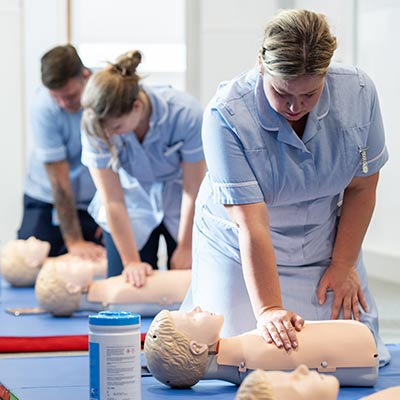
AEIs and educators structure their educational programmes to comply with our programme standards. They also design their curricula around the published proficiencies for a particular programme and students are assessed against these proficiencies to make sure they are capable of providing safe, effective and kind care that improves health and wellbeing. Nursing associate students will learn and be assessed in theory, simulation and practice environments and settings.
Proficiencies are the knowledge, skills and behaviours that nurses, midwives and nursing associates need in order to practise. We publish standards of proficiency for the nursing and midwifery professions as well as proficiencies for NMC approved post-registration qualifications.
Our standards for education and training highlight the need for programmes to adopt an inclusive approach to recruitment, selection and progression, ensuring admissions and all other academic processes are open, fair, transparent and demonstrate an understanding of and take measures
to address underrepresentation.
We believe that involving people who use services and members of the public in the planning and delivery of curricula will promote public confidence in the education of nurses. We expect the use of supportive evidence and engagement from people who have experienced care.
Through our quality assurance processes we check that education programmes meet all of our standards regarding the structure and delivery of educational programmes, that the programme outcomes relate to the expected proficiencies for particular qualifications and that AEIs and practice learning partners are managing risks effectively. Using internal and external intelligence we monitor risks to quality in education and training, this intelligence gathering includes analysis of system regulator reports.
Before any programme can be run, we make sure it meets our standards. We do this through an approvals process, in accordance with our quality assurance framework.
Overall responsibility for the day to day management of the quality of any educational programme lies with the AEI in partnership with its practice learning partners.
Legislative framework
Article 15(1) of the Nursing and Midwifery Order 2001 (‘the Order’) requires the Council to establish standards for education and training which are necessary to achieve the standards of proficiency for admission to the register, as required by Article 5(2) of the Order. The Standards for pre
registration nursing associate programmes are established under the provision of Article 15(1) of the Order.
The student journey
Standards for pre-registration nursing associate programmes follow the student journey and are grouped under the following five headings:
1. Selection, admission and progression
Standards about an applicant’s suitability for, and continued participation in, a pre-registration nursing associate programme;
2. Curriculum
Standards for the content, delivery and evaluation of the pre-registration nursing associate education programme;
3. Practice learning
Standards specific to pre-registration learning for nursing associates that takes place in practice settings;
4. Supervision and assessment
Standards for safe and effective supervision and assessment for pre-registration nursing associate education programmes;
5. Qualification to be awarded
Standards which state the award and information for the NMC register.


