

In this guide
- Part 1: Procedures to enable effective monitoring of a person’s condition
- Part 2: Procedures for provision of person-centred nursing care
- 3. Provide care and support with hygiene and the maintenance of skin integrity:
- 4. Provide support with nutrition and hydration:
- 5. Provide support with maintaining bladder and bowel health:
- 6. Provide support with mobility and safety:
- 7. Provide support with respiratory care:
- 8. Preventing and managing infection:
- 9. Meeting needs for care and support at the end of life:
- 10. Procedural competencies required for administering medicines safely:
In order to meet the proficiency outcomes outlined in the main body of this document, nursing associates must be able to carry out the procedures described in this annexe at the point of their registration.
Nursing associates are required to demonstrate an awareness of how requirements for procedures may vary across different health and care settings. As the nursing associate role is generic, students may demonstrate the ability to carry out procedures in any appropriate context, and there is no expectation that this must be demonstrated in every health and care setting. Ideally students will demonstrate skills in a practice setting, but where necessary some procedures may be demonstrated through simulation.
Nursing associates are expected to apply evidence-based best practice across all procedures. The ability to carry out these procedures safely, effectively and with sensitivity and compassion (while demonstrating the communication and relationship management skills described in Annexe A) is crucial to the provision of person-centred care. These procedures must be demonstrated with an awareness of variations required for different practice settings and for people across their lifespan. They must be carried out in a way that reflects cultural awareness and ensures that the needs, priorities, expertise and preferences of people are always valued and taken into account.
At the point of registration, the nursing associate will be able to safely demonstrate the following procedures:
Part 1: Procedures to enable effective monitoring of a person’s condition
Back to top
1. Demonstrate effective approaches to monitoring signs and symptoms of physical, mental, cognitive, behavioural and emotional distress, deterioration and improvement:
1.1accurately measure weight and height, calculate body mass index and recognise healthy ranges and clinically significant low/high readings
1.2use manual techniques and devices to take, record and interpret vital signs including temperature, pulse, respiration (TPR), blood pressure (BP) and pulse oximetry in order to identify signs of improvement, deterioration or concern
1.3undertake venepuncture and routine ECG recording
1.4measure and interpret blood glucose levels
1.5collect and observe sputum, urine, stool and vomit specimens, interpreting findings and reporting as appropriate
1.6recognise and escalate signs of all forms of abuse
1.7recognise and escalate signs of self-harm and/or suicidal ideation
1.8undertake and interpret neurological observations
1.9recognise signs of mental and emotional distress including agitation, or vulnerability
1.10administer basic mental health first aid
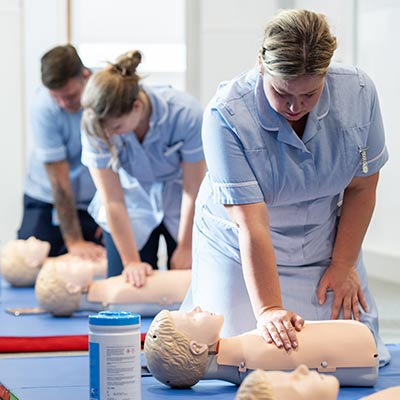
1.11recognise emergency situations and administer basic physical first aid, including basic life support.
Part 2: Procedures for provision of person-centred nursing care
Back to top
2. Provide support in meeting the needs of people in relation to rest, sleep, comfort and the maintenance of dignity:
2.1observe and monitor comfort and pain levels and rest and sleep patterns
2.2use appropriate bed-making techniques, including those required for people who are unconscious or who have limited mobility
2.3use appropriate positioning and pressure relieving techniques
2.4take appropriate action to ensure privacy and dignity at all times
2.5appropriate action to reduce or minimise pain or discomfort
2.6support people to reduce fatigue, minimise insomnia and take appropriate rest.
3. Provide care and support with hygiene and the maintenance of skin integrity:
Back to top
3.1observe and reassess skin and hygiene status using contemporary approaches to determine the need for support and ongoing intervention.
3.2identify the need for and provide appropriate assistance with washing, bathing, shaving and dressing
3.3identify the need for and provide appropriate oral, dental, eye and nail care and suggest to others when an onward referral is needed
3.4prevent and manage skin breakdown through appropriate use of products
3.5Identify and manage skin irritations and rashes
3.6monitor wounds and undertake wound care using appropriate evidence-based techniques.
4. Provide support with nutrition and hydration:
Back to top
4.1use contemporary nutritional assessment tools
4.2assist with feeding and drinking and use appropriate feeding and drinking aids
4.3record fluid intake and output to identify signs of dehydration or fluid retention and escalate as necessary
4.4support the delivery of artificial nutrition and hydration using oral and enteral routes.
5. Provide support with maintaining bladder and bowel health:
Back to top
5.1observe and monitor the level of urinary and bowel continence to determine the need for ongoing support and intervention, the level of independence and self-management of care that an individual can manage
5.2assist with toileting, maintaining dignity and privacy and use appropriate continence products
5.3care for and manage catheters for all genders
5.4recognise bladder and bowel patterns to identify and respond to incontinence, constipation, diarrhoea and urinary and faecal retention.
6. Provide support with mobility and safety:
Back to top
6.1use appropriate risk assessment tools to determine the ongoing need for support and intervention, the level of independence and self-care that an individual can manage
6.2use appropriate assessment tools to determine, manage and escalate the ongoing risk of falls
6.3use a range of contemporary moving and handling techniques and mobility aids
6.4use appropriate moving and handling equipment to support people with impaired mobility.
7. Provide support with respiratory care:
Back to top
7.1manage the administration of oxygen using a range of routes and approaches
7.2take and be able to identify normal peak flow and oximetry measurements
7.3use appropriate nasal and oral suctioning techniques
7.4manage inhalation, humidifier and nebuliser devices.
8. Preventing and managing infection:
Back to top
8.1observe and respond rapidly to potential infection risks using best practice guidelines
8.2use standard precautions protocols
8.3use aseptic, non-touch techniques
8.4use appropriate personal protection equipment
8.5implement isolation procedures
8.6use hand hygiene techniques
8.7safely decontaminate equipment and environment
8.8safely handle waste, laundry and sharps.
9. Meeting needs for care and support at the end of life:
Back to top
9.1recognise and take immediate steps to respond appropriately to uncontrolled symptoms and signs of distress including pain, nausea, thirst, constipation, restlessness, agitation, anxiety and depression
9.2review preferences and care priorities of the dying person and their family and carers, and ensure changes are communicated as appropriate
9.3provide care for the deceased person and the bereaved respecting cultural requirements and protocols.
10. Procedural competencies required for administering medicines safely:
Back to top
10.1continually assess people receiving care and their ongoing ability to self-administer their own medications. Know when and how to escalate any concerns
10.2undertake accurate drug calculations for a range of medications
10.3exercise professional accountability in ensuring the safe administration of medicines to those receiving care
10.4administer medication via oral, topical and inhalation routes
10.5administer injections using subcutaneous and intramuscular routes and manage injection equipment
10.6administer and monitor medications using enteral equipment
10.7administer enemas and suppositories
10.8manage and monitor effectiveness of symptom relief medication
10.9recognise and respond to adverse or abnormal reactions to medications, and when and how to escalate any concerns
10.10undertake safe storage, transportation and disposal of medicinal products.


