Skip to content
Cymraeg
My NMC Latest hearings Contact Us
Home Logo
Employer confirmations Search the register Basket
  • My NMC
  • Latest hearings
  • Contact Us

Explore our hubs for

Two nurses talking Two nurses talking
Nurses and nursing associates Navigate to Nurses and nursing associates section
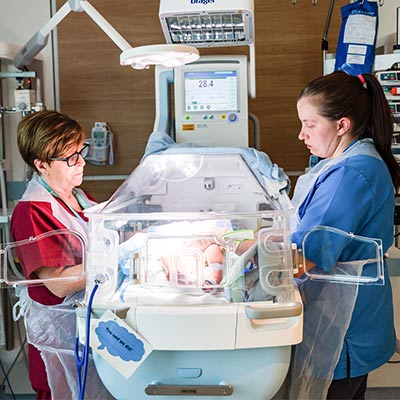
Midwives attend a baby Midwives attend a baby
Midwives Navigate to Midwives section
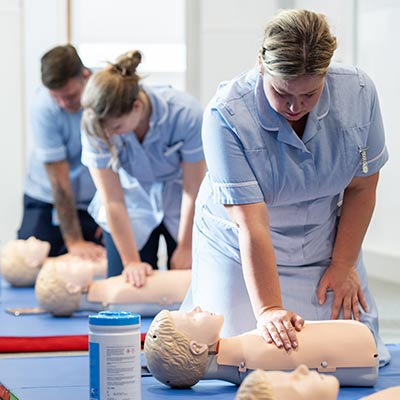
Students practice resuscitation Students practice resuscitation
Educators and Students Navigate to Educators and Students section
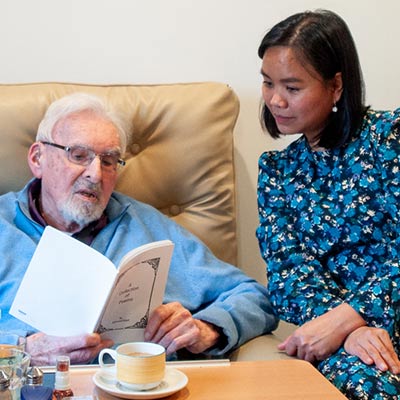
A care home nurse talks to a resident A care home nurse talks to a resident
Members of the public Navigate to Members of the public section
Internationally trained nurse taking a language test Internationally trained nurse taking a language test
International applicants Navigate to International applicants section
Two managers talking Two managers talking
Employers and managers Navigate to Employers and managers section

Standards and education overview

  • Standards

  • The Code
  • Standards for nurses
  • Standards for midwives
  • Standards for nursing associates
  • Standards for post registration
  • Standards for education and training
  • Developing our Standards

  • How we develop our standards
  • Guidance and supporting information
  • What makes you a registered professional
  • Future standards 2025-2026
  • Education

  • Education overview
  • Our role in education
  • Quality assurance of education
  • Developing our education requirements
  • Approved nursing and midwifery programmes
  • Education resources

  • Becoming a nurse, midwife or nursing associate
  • Resources for students
  • Contacts at education institutions

Registration overview

  • Joining the register

  • Register as a nurse or midwife
  • Register as a nursing associate
  • For internationally trained applicants
  • Returning to the register
  • Apply for readmission to the register
  • Manage your registration

  • Revalidation
  • Add another qualification to the register
  • Tell us about a health or character issue
  • Professional indemnity
  • Search the register

  • Check someone's registration
  • Search for multiple registrants
  • How to search the register
  • For employers

  • Guidance for employers
  • Your responsibilities
  • Search for multiple registrants
  • Revalidation - information for employers

Concerns overview

  • Raise a concern

  • What is fitness to practise?
  • Types of concerns we consider
  • Raise a concern
  • Fitness to practise in depth

  • FtP library for decision makers
  • Our plans for Fitness to Practise
  • Fitness to practise flowchart
  • How we can support you

  • Patients, families and the public
  • Support for registrants in the process
  • Information for witnesses
  • Information for employers
  • Hearings and sanctions

  • Sanctions we can impose
  • Our panels and case examiners
  • Attending a hearing
  • Appeal a Fitness to Practise decision
  • Latest hearings and sanctions

News overview

  • News and updates

  • News and updates
  • Events

  • Request a speaker
  • Attend a council meeting
  • Stay updated

  • Sign up to a newsletter
  • Linkedin
  • Facebook
  • Instagram
  • Bluesky
  • Media enquiries

  • Contact our media team

About us

  • What we do

  • Our role
  • Who we regulate
  • Our strategies
  • Our corporate plan
  • NMC insights
  • Our values and culture

  • Our values
  • Culture transformation
  • Equity, diversity and inclusion
  • Our EDI targets
  • EDI in our standards
  • Governance

  • The Council
  • Senior management
  • Council meetings
  • Our legal framework
  • Annual reports and accounts
  • Get involved

  • Who we work with
  • Consultations
  • Policy work
  • Careers
  • Procurement

Search the website

Enter keywords to search the website. Use the clear button to remove your search terms.
  • Popular searches

  • The Code
  • Reflective practice
  • Nursing courses
  • For nursing associates
  • Latest hearings and sanctions
Standards (new)
  • The Standards of Proficiency
    • Standards of proficiency for nurses
      • Standards of proficiency for nurses - overview
      • Introduction
      • How the Standards of Proficiency for Nursing are structured
      • Platform 1: Being an accountable professional
      • Platform 2: Promoting health and preventing ill health
      • Platform 3: Assessing needs and planning care
      • Platform 4: Providing and evaluating care
      • Platform 5: Leading and managing nursing care and working in teams
      • Platform 6: Improving safety and quality of care
      • Platform 7: Coordinating care
      • Annexe A: Communication and relationship management skills
      • Annexe B: Nursing procedures
      • Glossary for proficiency in Nursing
    • Standards of proficiency for nursing associates
      • Standards of proficiency for nursing associates - overview
      • About our Standards
      • Platform 1: Being an accountable professional
      • Platform 2: Promoting health and preventing ill health
      • Platform 3: Provide and monitor care
      • Platform 4: Working in teams
      • Platform 5: Improving safety and quality of care
      • Platform 6: Contributing to integrated care
      • Annexe A: Communication and relationship management skills
      • Annexe B: Procedures to be undertaken by the nursing associate
      • Glossary
    • Standards of proficiency for midwives
      • Standards of proficiency for midwives - overview
      • Introduction to the Standards of Proficiency for Midwives
      • About this Standard
      • How to read these standards of proficiency
      • Domain 1: Being an accountable, autonomous, professional midwife
      • Domain 2: Safe and effective midwifery care: promoting and providing continuity of care and carer
      • Domain 3: Universal care for all women and newborn infants
      • Domain 4: Additional care for women and newborn infants with complications
      • Domain 5: Promoting excellence: the midwife as colleague, scholar and leader
      • Domain 6: The midwife as skilled practitioner
    • Standards of proficiency for specialist community public health nurses (SCPHN)
      • Standards of proficiency for specialist community public health nurses (SCPHN) - overview
      • Introduction
      • Sphere of influence A: Autonomous specialist community public health nursing practice
      • Sphere of Influence B: Transforming specialist community public health nursing practice
      • Sphere of influence C: Promoting human rights and addressing inequalities:
      • Sphere of influence D: Population health
      • Sphere of influence E: Advancing public health services
      • Sphere of influence F: Leading and collaborating
      • Glossary
    • Standards of proficiency for community nursing specialist practice qualifications (SPQ)
      • Standards of proficiency for community nursing specialist practice qualifications (SPQ) - overview
      • Introduction
      • Platform 1: Being an accountable, autonomous professional and partner in care
      • Platform 2: Promoting health and wellbeing and preventing ill health
      • Platform 3: Assessing people’s abilities and needs, and planning care
      • Platform 4: Providing and evaluating evidence-based care
      • Platform 5: Leading, supporting and managing teams
      • Platform 6: Leading improvements in safety and quality of care
      • Platform 7: Care coordination and system leadership
      • Glossary for community nursing specialist practice qualifications (SPQ)
  • The Standards for Education and training
    • Standards for post-registration programmes
      • Standards for post-registration programmes - overview
      • About our standards
      • Introduction
      • The student journey
      • Selection, admission and progression
      • Curriculum
      • Practice learning
      • Supervision and assessment
      • Qualification to be awarded
      • Glossary
    • Standards for prescribing programmes
      • Standards for prescribing programmes - overview
      • Introduction
      • About our standards
      • The Royal Pharmaceutical Society Competency Framework
      • Titles, qualifications and formularies
      • The student journey
      • Selection, admission and progression
      • Curriculum
      • Practice learning
      • Supervision and assessment
      • Qualification to be awarded
      • Glossary
    • Standards framework for nursing and midwifery education
      • Standards framework for nursing and midwifery education - overview
      • About our standards
      • Introduction
      • Learning culture
      • Educational governance and quality
      • Student empowerment
      • Educators and assessors
      • Curricula and assessment
      • Glossary
    • Standards for student supervision and assessment
      • Standards for student supervision and assessment - overview
      • About our standards
      • Introduction
      • Effective practice learning
      • Supervision of students
      • Assessment of students and confirmation of proficiency
      • Glossary
    • Standards for pre-registration nursing associate programmes
      • Standards for pre-registration nursing associate programmes - overview
      • About our standards
      • Introduction
      • Selection, admission and progression
      • Curriculum
      • Practice learning
      • Supervision and assessment
      • Qualification to be awarded
      • Glossary
  • Principles and Guidance
    • Guidance on raising concerns for nurses, midwives and nursing associates
    • Guidance on Whistleblowing to the NMC
    • Guidance on the professional duty of candour
    • Enabling Professionalism
    • Principles for supporting women's choices in maternity care
      • Principles for supporting women's choices in maternity care - overview
      • FAQs on the Principles of Women's Choices in Maternity Care
      • Glossary for supporting women's choices in maternity care
    • Principles of Advanced Practice
    • Principles of Preceptorship
    • Principles to support anti-racism in midwifery and nursing education and practice
      • Principles to support anti-racism in midwifery and nursing education and practice - overview
      • About
      • The Principles
      • Expectations
      • How to adopt anti-racism Principles and measure impact
      • Glossary
      • Further tools and resources
    • Guidance for nurse assessors
    • Guidance on Indirect Supervision
    • Supporting information for our education and training standards
      • Supporting information for our education and training standards - overview
      • Introduction
      • Safeguarding students
      • Simulated Practice Learning
      • Practice placements for student midwives
      • Number of births to be achieved by student midwives
    • Guidance on using Social Media
  • Case studies
    • Practice learning experience case studies: for nursing programmes
      • Practice learning experience case studies: for nursing programmes - overview
      • Hospital setting - Adult: First year student nurse, Emma - case study
      • Hospital setting - Adult: Second year student nurse, Saima
      • Hospital setting - Adult: Third year student nurse, Darren
      • Community Mental Health Team
      • Community Adolescence Mental Health Services (CAMHS)
      • Hospital: Learning Disability Liaison Service and Rheumatology Outpatients
      • Haematology Ward
      • Hyponatraemia nursing case scenario
      • Community Children’s Nursing
      • Community based Learning Disability Case study
      • Acute care (children’s high dependency unit)
    • Practice learning experience case studies: for midwifery programmes
      • Practice learning experience case studies: for midwifery programmes - overview
      • Hyponatraemia maternity case scenario
      • Additional care for women and newborns with complications
      • Continuity of Care and Carer
    • Principles to support anti-racism in midwifery and nursing education and practice - anti racism case studies
      • Principles to support anti-racism in midwifery and nursing education and practice - anti racism case studies - overview
      • anti-racism case study: Danielle: racial bias in academic assessment
      • Anti-racism case study: Samuel: resident-to-staff racism in adult social care
      • anti-racism case study: Michael: racialised perceptions of risk in mental health crisis
      • anti-racism case study: Jane: responding to racist requests in maternity care
      • anti-racism case study: Fatima: language access, cultural safety and clinical risk
      • anti-racism case study: Aisha and David: microaggressions and workplace racism
      • anti-racism case study: Adebisi: dignity, consent and assumptions in maternity care
      • anti-racism case study: Manjula: racialised stereotypes about pain in labour
      • anti-racism case study: Speaking up and organisational response
      • anti-racism case study: Promotion, readiness and racialised career progression
    • Astudiaethau achos gwrth-hiliol - Danielle: rhagfarn hiliol mewn asesiad academaidd
      • Astudiaethau achos gwrth-hiliol - Danielle: rhagfarn hiliol mewn asesiad academaidd - overview
      • Astudiaethau achos gwrth-hiliol
      • Astudiaethau achos gwrth-hiliol: Samuel: hiliaeth preswylydd-i-staff mewn gofal cymdeithasol oedolion
      • Astudiaethau achos gwrth-hiliol: Michael: canfyddiadau hiliol o risg mewn argyfwng iechyd meddwl
      • Astudiaethau achos gwrth-hiliol: Jane: ymateb i geisiadau hiliol mewn gofal mamolaeth
      • Astudiaethau achos gwrth-hiliol: Fatima: mynediad i iaith, diogelwch diwylliannol a risg glinigol
      • Astudiaethau achos gwrth-hiliol: Aisha a David: micro-ymosodiadau a hiliaeth yn y gweithle
      • Astudiaethau achos gwrth-hiliol: Adebisi: urddas, caniatâd a rhagdybiaethau mewn gofal mamolaeth
      • Astudiaethau achos gwrth-hiliol: Manjula: stereoteipiau hiliol am boen yn ystod esgor
      • Astudiaethau achos gwrth-hiliol: Siarad i fyny ac ymateb sefydliadol
      • Astudiaethau achos gwrth-hiliol: Dyrchafiad, parodrwydd a datblygiad gyrfa hiliol
    • Learning from Gosport
      • Learning from Gosport - overview
      • Communication
      • Speaking up
      • Accountability
      • Record keeping
    • Good teamwork means better maternity care
    • Holistic care
    • The best midwifery care happens in partnership
  • Recently viewed articles
  1. Navigate to Home
  2. Navigate to Home

Standards and guidance

The Standards of Proficiency

60 guides

The Standards of Proficiency
60 guides

The Standards for Education and training

47 guides

The Standards for Education and training
47 guides

Principles and Guidance

25 guides

Principles and Guidance
25 guides

Case studies

46 guides

Case studies
46 guides

  • Print this page
  • Email this page
  • Last updated: 06/11/2026

Recently updated Ftp documents

Astudiaethau achos gwrth-hiliol: Dyrchafiad, parodrwydd a datblygiad gyrfa hiliol Updated on 23/11/2026
Astudiaethau achos gwrth-hiliol: Siarad i fyny ac ymateb sefydliadol Updated on 23/11/2026
Astudiaethau achos gwrth-hiliol: Manjula: stereoteipiau hiliol am boen yn ystod esgor Updated on 23/11/2026
Astudiaethau achos gwrth-hiliol: Adebisi: urddas, caniatâd a rhagdybiaethau mewn gofal mamolaeth Updated on 23/11/2026
Astudiaethau achos gwrth-hiliol: Aisha a David: micro-ymosodiadau a hiliaeth yn y gweithle Updated on 23/11/2026

Footer

We're the independent regulator of more than 867,000 nursing and midwifery professionals - Learn more

Our values

Our five values – Integrity, Fairness, Respect, Equity, and Effectiveness – reflect who we are and who we aspire to be

Popular links

  • Registration
  • Concerns
  • Standards
  • Education
  • Careers
  • About us

More about

  • Publication scheme
  • Privacy notice
  • FOI and Data Protection requests
  • Procurement
  • Expected behaviours
  • Staff area and webmail

Stay updated

  • Latest News
  • Newsletters

Follow us

  • LinkedIn
  • Facebook
  • Instagram
  • Bluesky

Utility Links

  • Accessibility
  • Cookies
  • Modern slavery statement
  • Terms & conditions

© The Nursing and Midwifery Council 2026. The NMC is a registered charity in England and Wales (1091434) and Scotland (SC038362)