



In this guide
A. The midwife’s role in first line assessment and management of complications and additional care needs
Back to top
6.69recognise, assess, plan, and respond to pre-existing and emerging complications and additional care needs for women and newborn infants, collaborating with, consulting and referring to the interdisciplinary and multiagency team as appropriate; this must include:
6.69.1pre-existing and emerging physical conditions, and complications of pregnancy, labour, birth, postpartum for the woman and fetus, and complications for the newborn infant, infant feeding challenges, perinatal loss, and maternal illness or death
6.69.2physical disability
6.69.3learning disability
6.69.4psychological circumstances and mental illness including alcohol, drug and substance misuse/withdrawal, previous perinatal loss, stress, depression, anxiety, postpartum psychosis
6.69.5social circumstances including lack of family and community support, poverty, homelessness, those in the criminal justice system, refugees, asylum seekers and victims of trafficking and modern slavery
6.69.6violence and abuse including female genital mutilation and emergency safeguarding situations
6.69.7traumatic experiences including tocophobia, birth trauma and its sequelae including post-traumatic stress disorder, pre-term birth, perinatal loss and bereavement
6.70act upon the need to involve others, promptly and proactively consulting with and referring to appropriate health and social care professionals when signs of compromise and deterioration or emergencies occur
6.71implement first-line emergency management of complications and/or additional care needs for the woman, fetus, and newborn infant when signs of compromise and deterioration or emergencies occur until other help is available; this must include:
6.71.1prompt call for assistance and escalation as necessary
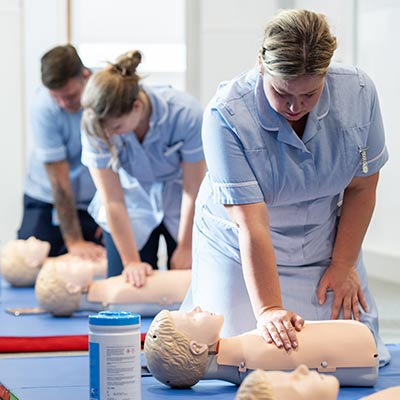
6.71.2implement evidence-based, emergency actions and procedures and immediate life support for the woman and newborn infant until help is available
6.71.3monitor deterioration using evidence-based early warning tools
6.71.4respond to signs of infection, sepsis, blood loss including haemorrhage, and meconium-stained liquor
6.71.5communicate concerns to interdisciplinary and/or multiagency colleagues using recognised tools
6.71.6expedite birth of newborn infant
6.71.7conduct a breech birth and manage shoulder dystocia
6.71.8conduct manual removal of the placenta
6.71.9keep accurate and clear records, including emergency scribe sheets
6.71.10undertake delegated tests for woman, fetus and newborn infant
6.71.11organise safe environment, immediate referral, and appropriate support if acute mental illness, violence or abuse is identified
6.71.12arrange safe transfer to appropriate care setting.
B. The midwife’s role in caring for and supporting women and newborn infants requiring medical, obstetric, neonatal, mental health, social care, and other services
Back to top
6.72work in partnership with the woman and in collaboration with the interdisciplinary and/or multiagency team to plan and implement midwifery care for women and newborn infants as appropriate to:
6.72.1implement appropriate response when acute social problems occur
6.72.2implement necessary interventions when physical complications occur, including but not limited to:
amanage, monitor, and effectively administer fluid balance
bconduct speculum examination and low and high vaginal swabs to test for signs of infection and preterm labour
cundertake amniotomy and application of fetal scalp electrode
dobtain cord blood and interpret results
eprovide care for women who have experienced female genital mutilation
6.73demonstrate the ability to collaborate effectively with interdisciplinary teams and work in partnership with the woman to assess and provide care and support when emergency situations or clinical complications arise that ensures the safe administration of medicines; this must include:
6.73.1safe administration of medicines in an emergency
6.73.2manage intravenous (IV) fluids including transfusion of blood and blood products
6.73.3manage fluid and infusion pumps and devices
6.74provide midwifery care for the women and newborn infant before, during, and after medical interventions, and collaborate with colleagues as needed, including epidural analgesia, fetal blood sampling, instrumental births, caesarean section and medical and surgical interventions to manage haemorrhage
6.74.1provide midwifery care for the women and newborn infant before, during, and after interventions carried out in theatre
6.75provide additional postnatal care for the woman including referral to services and resources as needed; this must include:
6.75.1support and care for women with pre-existing conditions
6.75.2support and care for women following caesarean section
6.75.3support and care for women with perineal/labial/vaginal/cervical/anal trauma including female genital mutilation
6.75.4support and care for woman with urinary or faecal incontinence
6.75.5support for women and families undergoing surrogacy or adoption
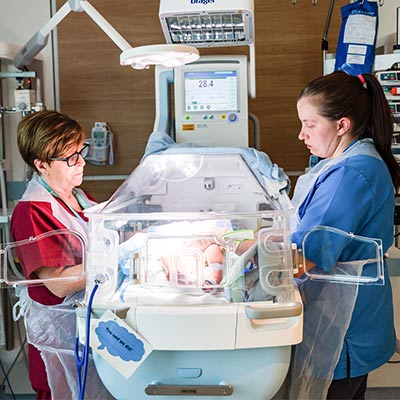
6.76support transitional care of a newborn infant with additional care needs in collaboration with the neonatal team
6.77support women and their partners who have a newborn infant in the neonatal unit to:
6.77.1stay close to their newborn infant, be partners in care, build a close and loving relationship with their newborn infant
6.77.2optimise skin-to-skin/kangaroo care where possible, including for parents of more than one newborn infant who may be separated and cared for in different places
6.77.3to enable their newborn infant to receive human milk and be breastfed when possible, including access to and use of donor milk
6.78support women who are separated from their newborn infants as a result of maternal illness and enable contact with the newborn infant to maximise the time they can spend together
6.79work in partnership with the woman, her partner and family as appropriate, and in collaboration with the interdisciplinary and/or multiagency team, to plan and implement midwifery care for the newborn infant who requires additional care and support
6.80work in partnership with the woman, her partner and family as appropriate, and in collaboration with the interdisciplinary and/or multiagency team, to plan and implement compassionate, respectful, empathetic, dignified midwifery care for women and/or partners and families experiencing perinatal loss or maternal death, and demonstrate the ability to:
6.80.1provide care and follow up after discharge to women and/or families experiencing miscarriage, stillbirth, or newborn infant death, and understand the care needed by partners and families who experience maternal death
6.80.2provide end of life care for a woman or for a newborn infant
6.80.3arrange provision of pastoral and spiritual care according to the woman’s, father’s/partner’s, and family’s wishes and religious/spiritual beliefs and faith
6.80.4support and assist with palliative care for the woman or newborn infant
6.80.5offer opportunities for parents and/or family to spend as much private time as they wish with the dying or dead infant or woman
6.80.6support the parents of more than one newborn infant when a newborn infant survives while another dies, recognising the psychological challenges of dealing with loss and bereavement and adapting to parenthood at the same time
6.80.7provide care for the deceased woman or newborn infant and the bereaved, respecting cultural requirements and protocols
6.80.8support the bereaved woman with lactation suppression and/or donating her breastmilk if wished
6.80.9provide clear information and support regarding any possible post-mortem examinations, registration of death and options for funeral arrangements and/or a memorial service
6.81work in partnership with the woman, her partner and family as appropriate, and in collaboration with the interdisciplinary and multiagency team, to plan and implement midwifery care for women and/or partners and families experiencing mental illness and following traumatic experiences; this must include:
6.81.1provide care and support for women and the newborn infant, and partners and families as appropriate
6.81.2support the woman to stay close to her newborn infant to build positive attachment behaviours
6.81.3support the woman to responsively feed her newborn infant, and to maximise the use of human milk/breastfeeding
6.81.4support positive attachment between the father/partner and the infant
6.82work in partnership with the woman, her partner and family as appropriate, and in collaboration with the interdisciplinary and/or multiagency team, to plan and implement midwifery care for women, newborn infants, and partners and families as appropriate, when problems occur with infant feeding; this must include:
6.82.1carry out ongoing feeding assessments when a newborn infant is not feeding effectively and respond if newborn infant weight gain is insufficient
6.82.2refer to appropriate colleagues where deviation from evidence-based infant feeding and growth patterns does not respond to first line management
6.82.3for women who are breastfeeding: support women to overcome breastfeeding challenges and provide ongoing support and referral to infant feeding specialists and peer supporters as required.


