

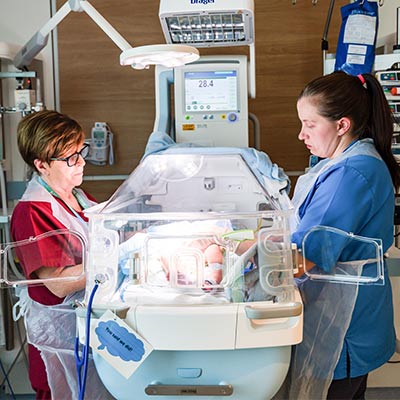
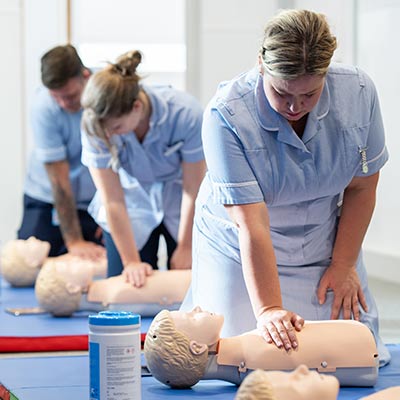
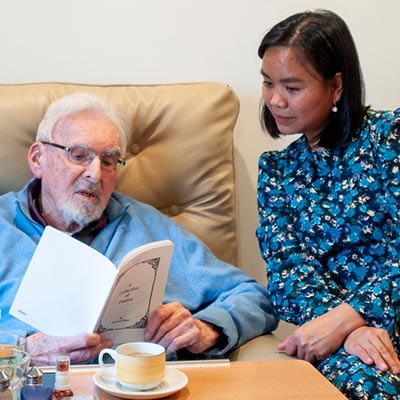


Platform 4: Providing and evaluating care
Proficiencies
4.1 demonstrate and apply an understanding of what is important to people and how to use this knowledge to ensure their needs for safety, dignity, privacy, comfort and sleep can be met, acting as a role model for others in providing evidence based person-centred care
4.2 work in partnership with people to encourage shared decision making in order to support individuals, their families and carers to manage their own care when appropriate
4.3 demonstrate the knowledge, communication and relationship management skills required to provide people, families and carers with accurate information that meets their needs before, during and after a range of interventions
4.10 demonstrate the knowledge and ability to respond proactively and promptly to signs of deterioration or distress in mental, physical, cognitive and behavioural health and use this knowledge to make sound clinical decisions
4.14 understand the principles of safe and effective administration and optimisation of medicines in accordance with local and national policies and demonstrate proficiency and accuracy when calculating dosages of prescribed medicines
What Alexis did
Throughout the shift, Alexis contributed to the ongoing evaluation of Freddie’s care by documenting observations electronically and reassessing his pain at regular intervals. She used the Numeric Rating Scale (NRS) to assess Freddie’s pain on a scale of 0–10 before and after use of the Patient Controlled Analgesia (PCA) and following administration of additional analgesia. Alexis also ensured a calm and low-stimulus environment to support Freddie’s comfort and recovery.
Freddie was receiving morphine sulphate via PCA alongside regular paracetamol. Alexis checked medication dosages using the British National Formulary for Children (BNFC) and, under direct supervision, administered paracetamol in line with local policy. She ensured pain assessments were completed before and after administration to evaluate effectiveness and support optimisation of pain management.
Alexis observed how clinical decisions were made in response to Freddie’s pain scores, including the plan to administer paracetamol regularly over the first 24 hours and review analgesia requirements based on ongoing assessment.
Throughout all interactions, Alexis communicated clearly with Freddie and his family, using age-appropriate language and avoiding unnecessary medical terminology. She checked understanding by asking Freddie and his mother to reflect back information, ensuring they were able to engage in decisions about his care.
Alexis also recognised the importance of supporting Freddie’s family during a potentially distressing time. She discussed available support services, including psychological and counselling support, and explained how these could be accessed both during admission and following discharge.
What this demonstrates
- Alexis demonstrated a person-centred approach by prioritising Freddie’s comfort and pain management, using appropriate tools to assess and respond to his needs (4.1)
- She worked in partnership with Freddie by involving him in pain assessment and management, supporting shared decision making about his care (4.2)
- Alexis provided clear, age-appropriate information to Freddie and his family, checking understanding and enabling informed involvement in care (4.3)
- She demonstrated awareness of the need to respond to changes in condition by monitoring pain and contributing to decisions about ongoing management (4.10)
- Alexis followed the principles of safe medicines administration, including checking the correct dose, patient, medication, route and timing, and using the BNFC to support safe practice (4.14)
- She evaluated the effectiveness of interventions by reassessing pain following analgesia, supporting optimisation of care (4.1, 4.10)
- Alexis recognised the emotional impact of hospital admission on Freddie and his family and provided information about available support, contributing to holistic care (4.1, 4.3)
 Previous
You are here:
-
Read example scenario
-
Platform 1 : Acute care (children’s high dependency unit)
-
Platform 2: children’s high dependency unit
-
Platform 3 : Acute care (children’s high dependency unit)
-
Platform 5 : Acute care (children’s high dependency unit)
-
Platform 6 : Acute care (children’s high dependency unit)
-
Platform 7 : Acute care (children’s high dependency unit)
-
Annex A : Acute care (children’s high dependency unit)
-
Annex B : Acute care (children’s high dependency unit)
-
References and guidelines
-
Platform 1 : Acute care (children’s high dependency unit)

