

What Nicole did
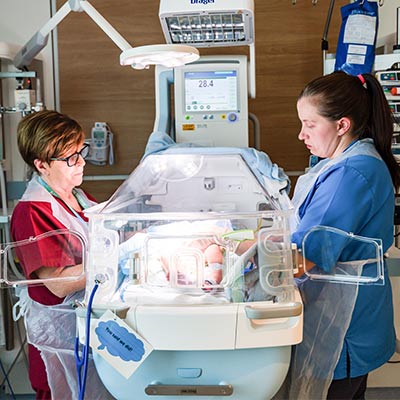
Under appropriate supervision, Nicole participated in aspects of Billy’s care, including preparation for tracheostomy care and routine equipment checks. She used clear explanations, reassurance and a calm approach to help Billy feel safe and involved.
Nicole observed Billy's behavioural and physiological responses during care and recognised when anxiety, fatigue or discomfort might affect his tolerance of procedures. She understood the importance of considering physiological indicators, such as respiratory effort, oxygen saturation levels and heart rate, in the context of Billy's usual baseline and alongside information provided by his family. She adjusted her communication and pacing accordingly to promote comfort and engagement.
She also developed her understanding of how nurses working in partnership with Billy and his family to evaluate whether care is effective by monitoring comfort, safety, response to interventions and the views of Billy and his family.
Nicole recognised that providing care involved more than completing tasks. It required compassion, partnership working, clinical awareness and responsiveness to changing needs.
What this demonstrated
4.1 Demonstrate and apply an understanding of what is important to people and how to use this knowledge to ensure their needs for safety, dignity, privacy, comfort and sleep can be met, acting as a role model for others in providing evidence-based care
Nicole considered Billy’s routines, preferences and comfort when participating in care. She recognised that safe and effective care should be shaped by what matters to the child and family.
4.2 Work in partnership with people to encourage shared decision making in order to support individuals, their families and carers to manage their own care when appropriate
Nicole involved Billy and his family in discussions during care activities. She recognised the expertise of family members in managing day-to-day care at home.
4.3 Demonstrate the knowledge, communication and relationship management skills required to provide people, families and carers with accurate information that meets their needs before, during and after a range of interventions
Nicole explained procedures in an age-appropriate way and checked understanding. She used reassurance and clear communication before and during care activities.
4.4 Demonstrate the knowledge and skills required to support people with commonly encountered mental health, behavioural, cognitive and learning challenges, and act as a role model for others in providing high-quality nursing interventions to meet people’s needs
Nicole recognised how anxiety and previous experiences could influence Billy’s and his family’s response to care. She used supportive communication and calm reassurance to reduce distress.
4.5 Demonstrate the knowledge and skills required to support people with commonly encountered physical health conditions, their medication usage and treatments, and act as a role model for others in providing high quality nursing interventions when meeting people’s needs
Nicole developed her understanding of Billy’s respiratory needs, tracheostomy care and ventilator support. She recognised how long-term physical health needs influenced care planning and daily support.
4.8 Demonstrate the knowledge and skills required to identify and initiate appropriate interventions to support people with commonly encountered symptoms including anxiety, confusion, discomfort and pain
Nicole recognised signs of anxiety, tiredness or discomfort during procedures. She responded by slowing the pace of care, offering reassurance and seeking support where needed.
4.10 Demonstrate the knowledge and ability to respond proactively and promptly to signs of deterioration or distress in mental, physical, cognitive and behavioural health and use this knowledge to make sound clinical decisions
Nicole understood that changes in Billy’s presentation, oxygen needs or tolerance of care could indicate deterioration or distress. She recognised the importance of escalating concerns promptly to registered staff.
4.12 Demonstrate the ability to manage commonly encountered devices and confidently carry out related nursing procedures to meet people’s needs for evidence-based, person-centred care
Under supervision, Nicole participated in routine checks and care associated with Billy’s tracheostomy and ventilator equipment. She recognised the importance of safety, competence and following guidance when supporting device-related care.
4.13 Demonstrate the knowledge, skills and confidence to provide first aid procedures and basic life support
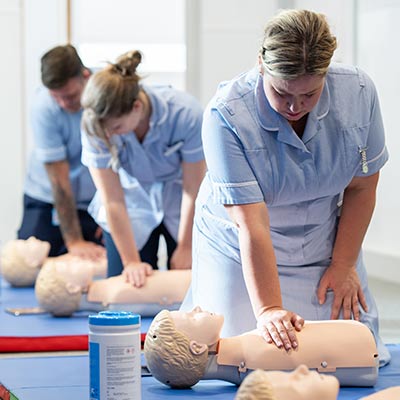
Nicole developed awareness of emergency responses relevant to children with complex respiratory needs, including airway concerns and escalation procedures. She recognised the importance of maintaining up-to-date emergency knowledge and skills.
4.14 Understand the principles of safe and effective administration and optimisation of medicines in accordance with local and national policies and demonstrate proficiency and accuracy when calculating dosages of prescribed medicines
Nicole appreciated the importance of safe medicines management within Billy’s care plan. She recognised that medicine administration must follow policy, accurate checks and appropriate supervision.
4.18 Demonstrate the ability to coordinate and undertake the processes and procedures involved in routine planning and management of safe discharge home or transfer of people between care settings
Nicole observed how community nurses supported continuity of care between home, respite and other services. She developed understanding of the planning needed to maintain safety during transitions.
 Previous
You are here:
-
Read the example scenario
-
Platform 1: Being an Accountable Professional
-
Platform 2: Promoting Health and Preventing Ill Health
-
Platform 3: Assessing Needs and Planning Care
-
Platform 4: Providing and Evaluating Care
-
Platform 5: Leading and Managing Nursing Care and Working in Teams
-
Platform 6: Improving Safety and Quality of Care
-
Platform 7: Coordinating Care
-
Annexe A: Communication and Relationship Management Skills
-
Annexe B: Nursing Procedures
-
Platform 1: Being an Accountable Professional

