


What Nicole did
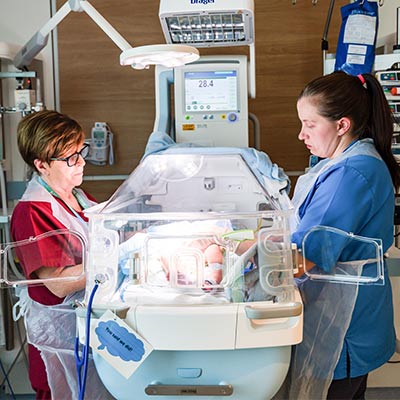
Nicole took time to understand Billy’s healthcare needs, routines, preferences and what was important to him and his family. She recognised that safe and effective nursing care required respect for Billy’s rights, the expertise of his family, and the principles of child- and family-centred care.
Before attending a multidisciplinary team meeting, Nicole prepared with her practice supervisor to ensure that Billy’s views, his parents’ concerns and relevant clinical information could be shared accurately and appropriately. She used a structured communication approach, Situation, Background, Assessment and Recommendation (SBAR), to support clear and effective information sharing.
Nicole understood that, as a student nurse, she was responsible for practising within the limits of her competence and under appropriate supervision. She sought guidance when needed and only participated in aspects of care for which she had been prepared and supported.
She completed records in a clear, accurate and timely way, recognising the importance of documentation for continuity, safety and coordinated care.
Nicole also reflected on confidentiality, professional behaviour, equality, dignity and the importance of advocating for Billy’s wishes and best interests.
What this demonstrated
1.1 Understand and act in accordance with The Code: Professional standards of practice and behaviour for nurses, midwives and nursing associates, and fulfil all registration requirements
Nicole prioritised Billy’s safety, dignity and preferences throughout her interactions. She demonstrated professional behaviours consistent with kindness, respect and person-centred care.
1.2 Understand and apply relevant legal, regulatory and governance requirements, policies, and ethical frameworks, including any mandatory reporting duties, to all areas of practice, differentiating where appropriate between the devolved legislatures of the United Kingdom
Nicole recognised the importance of confidentiality, accurate documentation and appropriate information sharing. She understood that care decisions should reflect Billy’s rights, family involvement and best interests.
1.8 Demonstrate the knowledge, skills and ability to think critically when applying evidence and drawing on experience to make evidence-informed decisions in all situations
Nicole considered Billy’s recent changes in condition, communication needs and family concerns when preparing for the multidisciplinary discussion. She used available information to contribute thoughtfully to care planning.
1.9 Understand the need to base all decisions regarding care and interventions on people’s needs and preferences, recognising and addressing any personal and external factors that may unduly influence their decisions
Nicole focused on what mattered to Billy and his family when discussing care needs, routines and support. She recognised that person-centred decisions should reflect their views and priorities.
1.11 Communicate effectively using a range of skills and strategies with colleagues and people at all stages of life and with a range of mental, physical, cognitive and behavioural health challenges
Nicole used SBAR to organise and communicate information clearly. She also adapted her communication style when speaking with Billy, his family and members of the multidisciplinary team.
1.13 Demonstrate the skills and abilities required to develop, manage and maintain appropriate relationships with people, their families, carers and colleagues
Nicole built a respectful and collaborative relationship with Billy and his family. She demonstrated an understanding that, within a home environment, families are experts in their child's day-to-day needs and play a central role in decision-making and care delivery. She worked positively with colleagues and family members while maintaining appropriate professional boundaries and promoting a partnership approach to care.
1.14 Provide and promote non-discriminatory, person-centred and sensitive care at all times, reflecting on people’s values and beliefs, diverse backgrounds, cultural characteristics, language requirements, needs and preferences, taking account of any need for adjustments
Nicole showed sensitivity to Billy’s age, communication needs and dependence on complex equipment. She ensured care remained respectful and tailored to his individual circumstances.
1.16 Demonstrate the ability to keep complete, clear, accurate and timely records
Nicole documented observations, discussions and care activities promptly and accurately. She recognised that high-quality records support continuity, safety and effective decision-making.
1.17 Take responsibility for continuous self-reflection, seeking and responding to support and feedback to develop their professional knowledge and skills
Nicole reflected on her experiences in practice and discussed learning with her practice supervisor. She used feedback to develop her confidence, knowledge and professional capability.
1.18 Demonstrate the knowledge and confidence to contribute effectively and proactively in an interdisciplinary team
Nicole prepared for the multidisciplinary team meeting and contributed relevant observations under supervision. She recognised the value of shared professional expertise in supporting Billy’s care.
1.19 Act as an ambassador, upholding the reputation of their profession and promoting public confidence in nursing, health and care services
Nicole behaved professionally, respectfully and reliably throughout the practice learning experience Her conduct helped build trust with Billy’s family and confidence in student nurses.
 Previous
You are here:
-
Read the example scenario
-
Platform 1: Being an Accountable Professional
-
Platform 2: Promoting Health and Preventing Ill Health
-
Platform 3: Assessing Needs and Planning Care
-
Platform 4: Providing and Evaluating Care
-
Platform 5: Leading and Managing Nursing Care and Working in Teams
-
Platform 6: Improving Safety and Quality of Care
-
Platform 7: Coordinating Care
-
Annexe A: Communication and Relationship Management Skills
-
Annexe B: Nursing Procedures
-
Platform 1: Being an Accountable Professional

