


Outcomes
The proficiencies identified below will equip the newly registered nurse with the underpinning knowledge and skills required for their role in providing and evaluating person-centred care.
At the point of registration, the registered nurse will be able to:
4.1 demonstrate and apply an understanding of what is important to people and how to use this knowledge to ensure their needs for safety, dignity, privacy, comfort and sleep can be met, acting as a role model for others in providing evidence based care
4.2 work in partnership with people to encourage shared decision making in order to support individuals, their families and carers to manage their own care when appropriate
4.3 demonstrate the knowledge, communication and relationship management skills required to provide people, families and carers with accurate information that meets their needs before, during and after a range of interventions
4.4 demonstrate the knowledge and skills required to support people with commonly encountered mental health, behavioural, cognitive and learning challenges, and act as a role model for others in providing high quality nursing interventions to meet people’s needs
4.5 demonstrate the knowledge and skills required to support people with commonly encountered physical health conditions, their medication usage and treatments, and act as a role model for others in providing high quality nursing interventions when meeting people’s needs
4.6 demonstrate the knowledge, skills and ability to act as a role model for others in providing evidence-based nursing care to meet people’s needs related to nutrition, hydration and bladder and bowel health
4.7 demonstrate the knowledge, skills and ability to act as a role model for others in providing evidence-based, person-centred nursing care to meet people’s needs related to mobility, hygiene, oral care, wound care and skin integrity
4.8 demonstrate the knowledge and skills required to identify and initiate appropriate interventions to support people with commonly
encountered symptoms including anxiety, confusion, discomfort and pain
4.9 demonstrate the knowledge and skills required to prioritise what is important to people and their families when providing evidence-based person-centred nursing care at end of life including the care of people who are dying, families, the deceased and the bereaved
4.10 demonstrate the knowledge and ability to respond proactively and promptly to signs of deterioration or distress in mental, physical, cognitive and behavioural health and use this knowledge to make sound clinical decisions
4.11 demonstrate the knowledge and skills required to initiate and evaluate appropriate interventions to support people who show
signs of self-harm and/or suicidal ideation
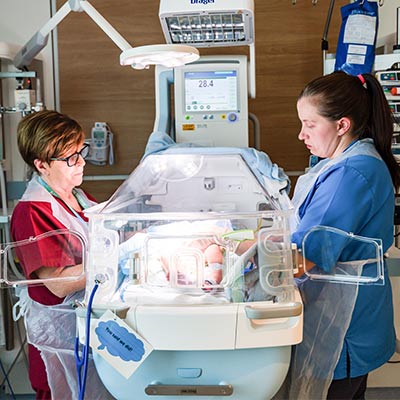
4.12 demonstrate the ability to manage commonly encountered devices and confidently carry out related nursing procedures to meet people’s needs for evidence-based, person-centred care
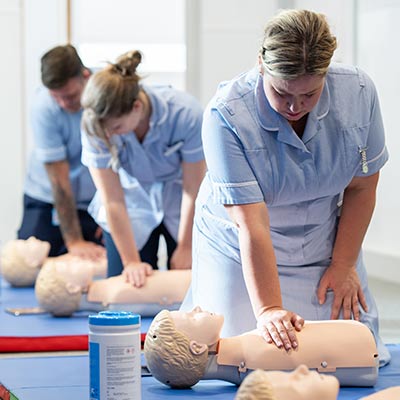
4.13 demonstrate the knowledge, skills and confidence to provide first aid procedures and basic life support
4.14 understand the principles of safe and effective administration and optimisation of medicines in accordance with local and national policies and demonstrate proficiency and accuracy when calculating dosages of prescribed medicines
4.15 demonstrate knowledge of pharmacology and the ability to recognise the effects of medicines, allergies, drug sensitivities, side effects, contraindications, incompatibilities, adverse reactions, prescribing errors and the impact of polypharmacy and over the counter medication usage
4.16 demonstrate knowledge of how prescriptions can be generated, the roleof generic, unlicensed, and off-label prescribing and an understanding of the potential risks associated with these approaches to prescribing
4.17 apply knowledge of pharmacology to the care of people, demonstrating the ability to progress to a prescribing qualification
following registration
4.18 demonstrate the ability to coordinate and undertake the processes and procedures involved in routine planning and management of safe discharge home or transfer of people between care settings.
 Previous
