




Key components of the roles, responsibilities and accountabilities of registered nurses are described under each of the seven platforms. We believe that this approach provides clarity to the public and the professions about the core knowledge and skills that they can expect
every registered nurse to demonstrate.
These proficiencies will provide new graduates into the profession with the knowledge and skills they need at the point of registration which they will build upon as they gain experience in practice and fulfil their professional responsibility to continuously update their knowledge and skills. For example, after they register with us, registered nurses will already be equipped to progress to the completion of a prescribing qualification.
The outcome statements for each platform have been designed to apply across all four fields of nursing practice (adult, children, learning disabilities, mental health) and all care settings. This is because registered nurses must
be able to meet the person-centred, holistic care needs of the people they encounter in their practice who may be at any stage of life and who may have a range of mental, physical, cognitive or behavioural health challenges.
They must also be able to demonstrate a greater depth of knowledge and the additional more advanced skills required to meet the specific care needs of people in their chosen fields of nursing practice.
The annexes to these standards of proficiency are presented in two sections. The annexes provide a description of what registered nurses should be able to demonstrate they can do at the point of registration in order to provide safe nursing care.
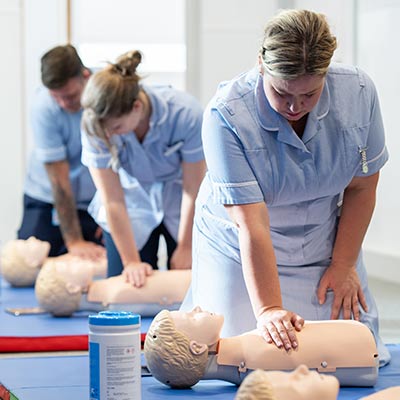
Annexe A specifies the communication and relationship management skills required, and Annexe B specifies the nursing procedures that registered nurses must demonstrate that they are able to perform safely. As with the knowledge proficiencies, the annexes also identify where more advanced skills are required by registered nurses, working in a particular field of nursing practice.
 Previous
