



NMC reaffirms the role of Advanced Practitioners
Published on 17 July 2026
The Nursing and Midwifery Council (NMC) has reaffirmed the vital role advanced practitioners play across health and social care – in response to the recent British Medical Association’s (BMA) public survey which called for views and reports on medical substitution.
The BMA survey found that the public is unclear about NHS roles and has limited understanding of the training advanced practitioners receive.
At the last BMA Annual Representative Meeting (ARM), members passed a motion calling for national scopes of practice to ensure advanced practitioners work within their competence.
The motion also called for the Government to ensure employers utilise advanced practitioners to complement, rather than substitute for, doctors.
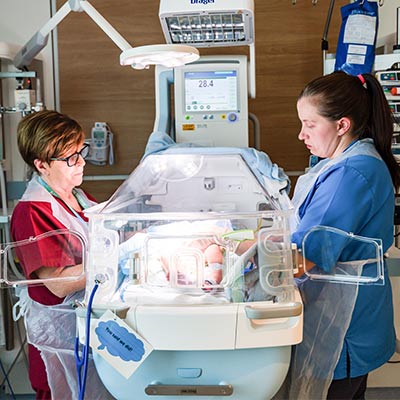
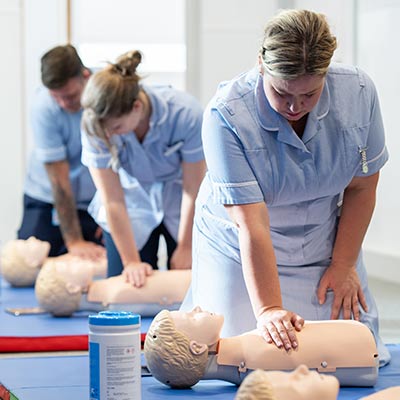
The NMC states that Advanced Practitioners are highly skilled professionals who have undertaken additional education and training to deliver safe person-centred care – often for people who have complex needs, managing risk and uncertainty while improving health outcomes and enhancing patient experience.
They work as part of multi-professional teams, providing leadership, training and education.
The NMC Code is clear that professionals on the register must practise within their individual scope of practice and in line with their level of knowledge, experience, qualifications, training and employment role.
In June 2025, the NMC published its Principles for Advanced Practice – a landmark moment for nursing and midwifery. They set out, for the first time, what the regulator expects – and what the public can therefore expect – of nurses and midwives working at an advanced level.
These principles are the first step towards full additional regulation of advanced nursing and midwifery practice. In early 2027, the regulator will begin work to develop standards of proficiency and associated advanced practice programme standards – subject to a public consultation.
In the meantime, the NMC is ensuring that the needs and implications of advanced practice are reflected in ongoing reviews of the Code and revalidation requirements, while continuing to engage with key stakeholders across the four nations.
Additional regulation of advanced level practice will improve consistency, governance and education, mitigating risks to patient safety and public protection that have been identified.
Chris Dzikiti, Executive Director of Professional Practice, said:
“Advanced Practitioners work alongside doctors as highly skilled and valued members of multi-disciplinary teams. We strongly encourage professionals and employers to use our Principles for Advanced Practice, which set the foundation for safe, consistent approaches.
“As part of the work towards additional regulation of advanced practice, we’ll be setting standards of proficiency and standards for advanced practice programmes. These will establish a consistent threshold of what nurses and midwives working at an advanced level should know and be able to do.
“This in turn will give the public further confidence about the beneficial role and competence of advanced level nurse and midwife practitioners.”
Other recent news…
Lesley Maslen to step down as Executive Director of Professional Regulation
Published on 12 October 2026
The Nursing and Midwifery Council (NMC) has announced that Lesley Maslen, Executive Director of Professional Regulation, will step down on 30 November after fou
Blog: A Day in the Life of an Employer Link Service Adviser
Published on 08 October 2026
Sana Din, Employer Link Service Adviser, North West
NMC listening to families affected by maternity failings in Leeds
Published on 02 October 2026
The Nursing and Midwifery Council (NMC) has reaffirmed its commitment to listening to, and working with, families affected by maternity failings in Leeds – afte

